This blog is dedicated to Researching Player Communities. Here, I share Insights From Gaming Community Studies based on observation and analysis. The focus is on understanding the social structures and interactions within various game communities.
The articles present structured observations rather than opinions. This approach provides a grounded look at how game communities form and function.
The focus is on the changing nature of player groups and social structures within games. Topics explore how these dynamics shift over time and across different platforms.
All discussions are rooted in the process of Researching Player Communities. This means looking at patterns, group behaviors, and shared experiences within virtual spaces.
Our Field of Study
This blog operates at the intersection of social observation and digital interaction, specifically within the context of the gaming community. Our primary activity involves documenting and analyzing the behaviors, social norms, and organizational structures that emerge within various player groups. We look at how leadership forms, how communication channels are established, and how collective goals are set and achieved. This continuous observation aims to map out the complex social ecosystems that games foster.
The core of our work is community research, which seeks to provide Insights From Gaming Community Studies. We examine factors like collaboration, conflict resolution, and identity formation among participants. By studying these gamer dynamics, we aim to contribute to a broader understanding of modern digital sociality. The findings are shared here to inform and facilitate discussion among those interested in the social dimensions of gaming, always focusing on the observable patterns within game communities.
An analysis of how players in non-combat or support roles influence social bonds, leadership, and long-term stability within cooperative player groups.
Exploring how initial in-game affiliations (like factions or servers) can evolve into powerful, self-sustaining social identities that define player groups.
An observational study on the common developmental stages of organized guilds, from enthusiastic founding to periods of stability, conflict, and renewal or decline.
Analyzing how the choice and use of external platforms (like Discord, forums) directly influence leadership styles, information flow, and social hierarchy within game communities.
My name is Thiago Silva, and I am a researcher based in Brasil with a longstanding interest in digital social structures. This blog, "Gaming Community Research," is a personal project born from that interest, specifically focusing on the intricate world of game communities. For years, I have been observing, participating in, and analyzing how player groups coalesce, communicate, and evolve. This space is where I compile and share those structured observations, moving beyond anecdotal evidence to look at recurring patterns.
The mission here is to conduct and share community research that sheds light on gamer dynamics. I believe that by systematically Researching Player Communities, we can gain valuable perspectives on cooperation, competition, and culture formation in digital spaces. This is not about reviewing games, but about studying the people who play them and the societies they build. All content is driven by a genuine curiosity about the forces that shape these virtual communities and the Insights From Gaming Community Studies they can offer.
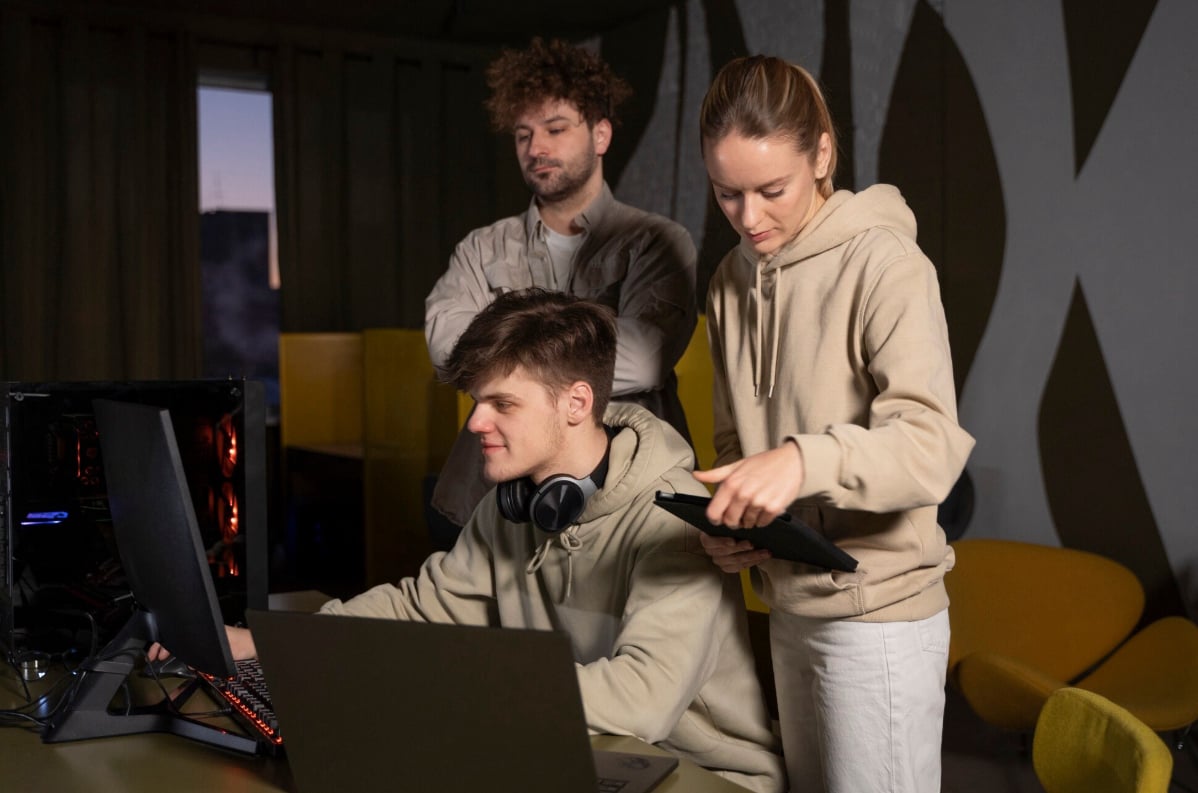
The primary goal is to document and analyze social interactions and group formations within digital gaming environments. It focuses on providing Insights From Gaming Community Studies through observation and analysis of gamer dynamics, rather than offering game advice or news.
The focus is on the social dynamics themselves, which can be found across many genres. Therefore, observations may come from different types of game communities, as the principles of community research often apply broadly to organized player groups.
The research is based on qualitative observation, participation, and analysis of public interactions within various game communities. It involves mapping communication patterns, group hierarchies, and collaborative behaviors to understand how player groups function.
It is for anyone interested in social dynamics, digital anthropology, or the sociology of online spaces. Readers might include fellow researchers, students, or simply individuals curious about the inner workings of the gaming community.
[GET IN TOUCH]